
How to Talk to Your Client About Insolvency

How to Talk to Your Client About Insolvency – A Guide for Advisers As Insolvency practitioners, one question we are often asked by advisers is: “How do I discuss insolvency options with a client who is in financial trouble?”. As any registered liquidator will tell you, acting early, at the first sign of financial trouble, […]
Personal Insolvency and its Effects on Your Personal Credit
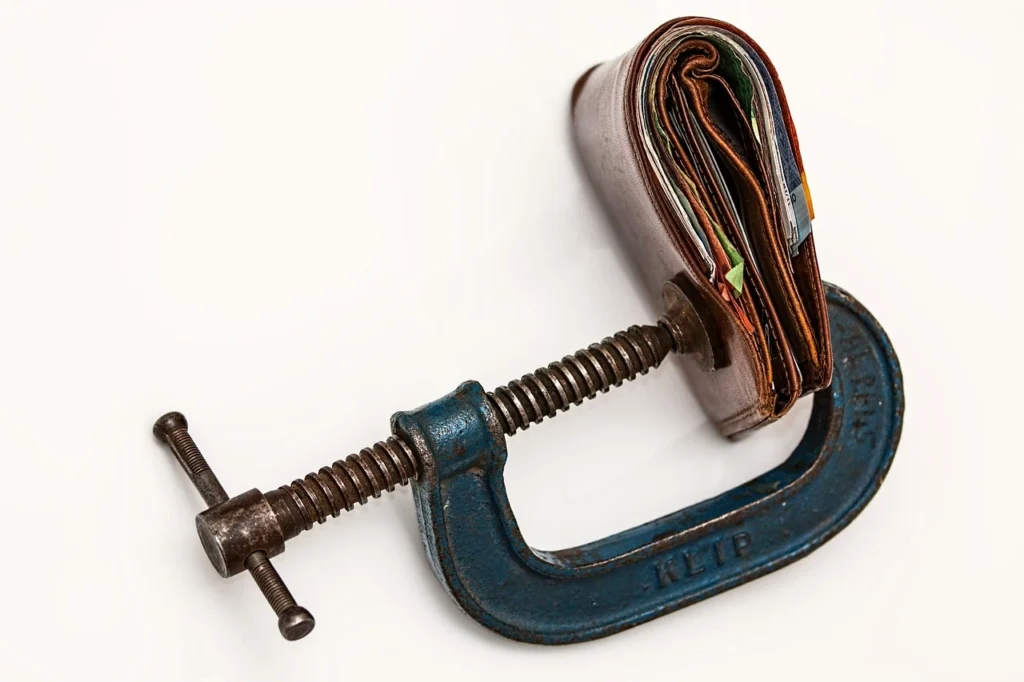
Personal insolvency can result when an individual is unable to pay their debts as and when they fall due. Personal insolvency comes in many forms and has differing consequences for your credit record. Generally, the types of Personal Insolvency are: The above types of personal insolvency are formal processes under the Bankruptcy Act 1966 that […]
ATO Increasing Debt Recoveries in 2023-24 Corporate Plan

The ATO have recently released their 2023-24 Corporate Plan (Plan), which sets out several strategic objectives for the regulator over the next 4 years. Of particular note, for insolvency and accounting industries, there is a strong focus on debt recovery with a view to collect over $45 billion dollars, two thirds of which are owed […]
Backs to Basics: Small Business Restructuring

Under the guidance and assistance of a restructuring practitioner, an eligible incorporated company with creditor consent can compromise its debts to achieve future profitability and viability. A Small Business Restructure (“SBR”) permits directors to retain control of the business while a restructuring plan is developed over the 20-business-day period following commencement. Reprieve from existing (pre […]
Back to Basics: Insolvency Agreements

In Australia, informal agreements, debt agreements, and personal insolvency agreements are all alternative options to bankruptcy for individuals facing financial difficulties. However, each one operates differently, and has different benefits. Informal agreements are private arrangements between an individual and their creditors to repay debts. They are not legally binding, and there is no protection from creditors. […]
Deregistering Your Company – A Warning for Directors
When a business is no longer trading and the paperwork, fees, and obligations keep piling up, deregistering a company can look like a clean exit. A simple form, a small ASIC fee, and the company disappears from the register. On the surface, it feels like closure. But for directors, deregistration of a company is a […]
IN FOCUSDPNs – What you need to know and avoiding personal liability
A director penalty notice, or DPN for short, is one of the favourite tools of the Australian Taxation Office (“ATO”) when it comes to pursuing directors. However, DPNs often come as a surprise to directors trying to maintain their business in the post-pandemic economy. DPNs are especially important to understand now that the ATO has […]
Case Study: Bayside Gate Frames Pty. Ltd. (Subject to Deed of Company Arrangement)
Case Study: Bayside Gate Frames Pty. Ltd. (Subject to Deed of Company Arrangement) trading as “Bayside Fencing Products”, “Direct Factory Outlet Concrete Sleepers, Landscaping and Building Products” and “Concrete Sleeper Retaining Walls Brisbane” ACN 146 901 706 (“the Company”) The Company commenced in 2010, initially selling gate frames. In 2016, the Company commenced re-selling concrete […]
Impacts of voidable transfers into Superannuation
The available funds of an undischarged bankrupt that are in a regulated superannuation fund as at the date of bankruptcy, are generally protected in bankruptcy and not considered to be divisible property recoverable by the Trustee pursuant to Section 116 of the Bankruptcy Act 1966 (“the Act”). Even with the protections offered to the Debtor’s […]
Back to basics: What is a Creditors Voluntary Liquidation?
A creditors voluntary liquidation or CVL, as commonly referred, is the process whereby the assets of a corporation are realised in an orderly manner and the proceeds distributed amongst creditors of the company in satisfaction of their claims against the company. Any surplus funds are subsequently returned to its members. A creditors voluntary liquidation requires […]